Exercise reduces fall risk by 35%
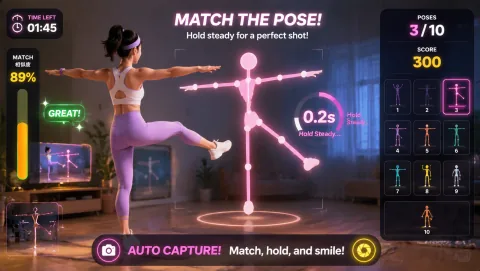
A landmark meta-analysis by Sherrington et al. (2019) in the British Journal of Sports Medicine, covering 108 randomized controlled trials with over 23,000 participants, found that exercise programs significantly reduce fall incidence by an average of 35% in older adults. Programs that include balance and coordination components — as movement games do — show the strongest effects. Even gentle movement gaming contributes to the physical capabilities that prevent falls.
Physical plus cognitive activity delays cognitive decline
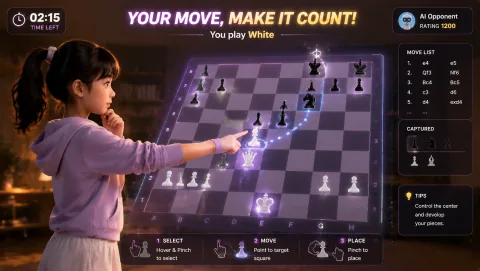
Bherer et al. (2013) found that combining physical activity with cognitive engagement produces significantly greater improvements in executive function — including attention, processing speed, and working memory — than either alone in older adults. Games that require both physical movement and strategic thinking, like GestureChess and CyberKnot, embody exactly this dual-task approach that neuroscience recommends for healthy brain aging.
Social activity reduces loneliness and health risks
Cattan et al. (2005) found that structured social activities significantly reduce loneliness in seniors — a factor associated with dramatically worse health outcomes including increased cardiovascular disease, depression, and cognitive decline. Shared movement gaming creates social moments that are active, engaging, and naturally inclusive, making them particularly valuable for seniors who live alone or have limited social contact.