How many stations does an indoor field day need?
One station per class, plus one buffer. If 8 classes are in the event at once, run 9 stations so a class that finishes early always has somewhere to go and the rotation never stalls. Fewer, better-run stations beat a long list of thin ones — 8 to 10 stations is the practical ceiling for a gym-plus-classrooms layout before hallway traffic becomes the limiting factor.
How long should each rotation last?
Ten minutes of play plus two minutes to travel works for most elementary schedules. That gives each station captain time for a 60-second demo, two or three short rounds, and a reset. Shorter than 8 minutes and students spend more time walking than playing; longer than 15 and the groups waiting in classrooms get restless. A full 8-station circuit at 12 minutes per station fits inside a two-hour event window with room for an opening and closing ceremony.
What if the gym only fits two classes at a time?
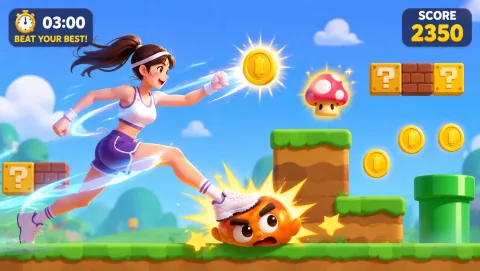
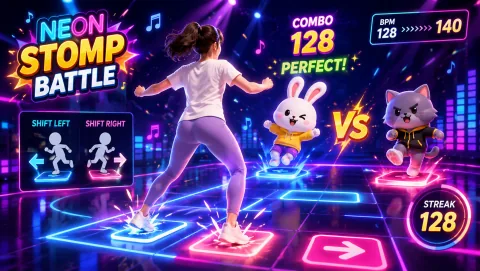
Split the event into two zones and stagger them. While two classes use the gym for big-movement stations, the other classes run quiet stations in their own classrooms with a projected browser game on the smartboard. Swap zones halfway through. Every student gets the same station list either way, and the gym never holds more bodies than its floor can safely take.
How do you keep team scoring indoors without chaos?
Score at the station, not in the hallway. Give each station captain one clipboard per color team and a single number to record — best round score, total hits, or course distance. Collect sheets at the closing ceremony and announce the top three teams per grade rather than a full ranking, which keeps the award part under five minutes. Skip any scoring system that requires kids to carry cards or tokens between stations.
What about students who can't do jumping activities?
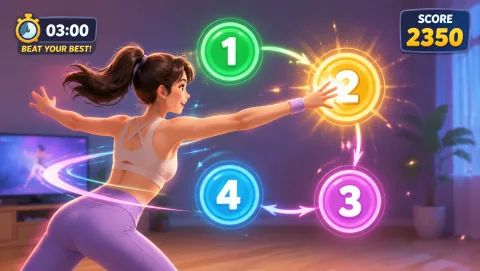
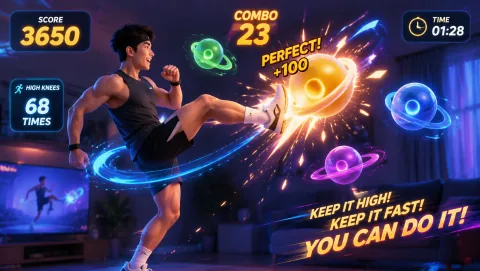
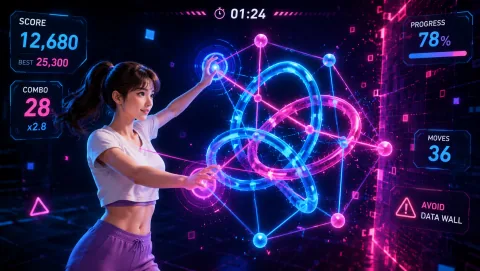
Build every station with a seated or hands-only version ready. Webcam game stations make this easy: the same projected game usually has a calmer sibling — a pose-match instead of a jump course, a bubble-matching round instead of high kicks. A student who needs the low-impact version plays the same station, on the same team, for the same points, so nobody is pulled out of the event to a side room.