Active screen time for adults

Active screen time for adults that fits between real responsibilities

A practical way to turn a few minutes of screen time into a clear movement break—without pretending every break needs to become a workout.

Updated August 30, 2026 · Editorial guide based on the current MovePlay game controls

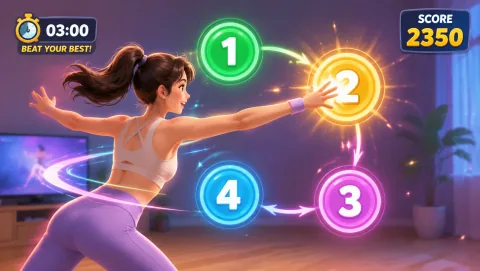
Reaction gameplay preview
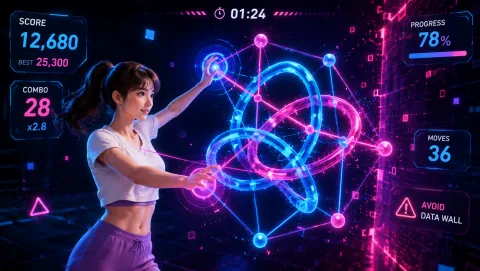
Reaction 4 numbers scatter to the corners — slap them in order with hands and feet. The timer shortens fast; slow reactions cost points.
Best for

Best for desk workers, students, adults restarting a movement habit, and anyone who wants a playful alternative to passive scrolling.

01

Replace the moment, not the whole evening

The most useful active screen-time habit is specific: after a meeting, before a video, or while waiting for dinner. A named two-to-five-minute option is easier to repeat than a broad promise to exercise more.

02

Choose the control before the goal

Pick hand, head, reaction, or full-body control based on today’s room and energy. The game should make the movement readable; it should not force a person to widen the movement when the space is limited.

03

Use data as feedback, not judgment

A score, completion count, or personal best can help someone notice repetition. It is not a medical measurement, calorie guarantee, or substitute for a complete activity plan.

Choose by constraint

Start with the situation, then choose the game

These are practical starting points based on each game’s actual control style. Test the camera and room before extending the session.

Your situationStart withWhy it fits
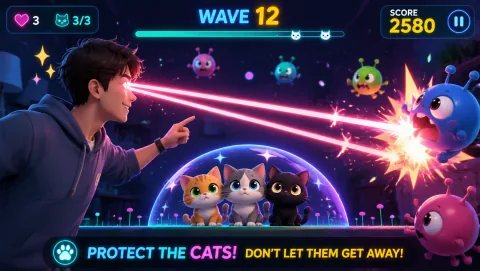
I have two minutes and little spaceLaser Eyes or Cyber KnotHead or hand control keeps the footprint contained while you learn the camera loop.
I want a visible reaction challengeReaction or Fruit SlashTargets and swipes make the action obvious and give a short round a clear finish.
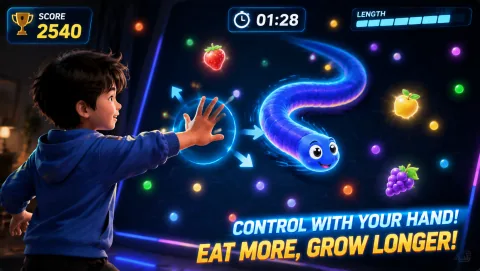
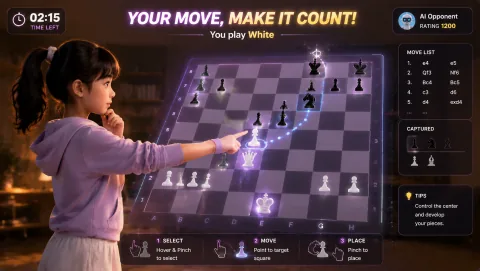
I need a quieter resetSnake or Gesture ChessBoth support slower, more contained play when jumping or large steps do not fit the moment.

Practical playbook

How to make this work today

Keep the first session small, specific, and easy to stop. The goal is not to create a perfect workout. The goal is to make active play feel like a normal option.

Why it works

Use behavior design, not pressure

Active play is a legitimate movement entry point

WHO includes active play in its description of physical activity. That supports treating a short game as one practical way to interrupt sitting, not as a claim that every session has the same health effect.

Technology should remove friction

ACSM’s fitness-trend reporting continues to place mobile apps and data-driven technology among important fitness directions. For MovePlay, the useful interpretation is simple feedback and low setup—not more dashboards.

A small repeatable cue beats a heroic plan

The page works best when the reader can name a cue, start one round, and stop cleanly. The next session can be evaluated by whether it was easy to begin and repeat.

Sources and limits

What informs this guide

These links provide background for the guidance above. They do not turn a MovePlay game into a clinical assessment or guarantee a particular health, learning, or relationship outcome.

Simple routine

Build a 10-minute screen reset

Use the same cue for one week, then adjust the game based on space, noise, and how easy the first round felt to start.

  1. 1 minute: close the distracting tab, open a game, and check the visible camera area.
  2. 6 minutes: play two short rounds with a comfortable range of motion; keep the score optional.
  3. 3 minutes: write down which control felt clearest and choose the next cue for another day.

More options

Keep the rotation fresh

Keep it realistic

Make the break smaller before making it harder

Clear the immediate area, keep the camera view private, and reduce movement when the room, energy, or comfort changes. Stop if a movement causes pain, dizziness, or discomfort. MovePlay is a playful activity platform, not medical advice.

Common questions

FAQ

Is active screen time the same as exercise?

No. It is a format for adding movement to a screen-based moment. It can complement walking, sport, strength work, or a plan from a qualified professional.

What is the best active screen break for office workers?

Start with a contained reaction or hand-tracking game. Choose a standing or larger-movement option only when the room and schedule support it.

How long should an adult movement game last?

Start with one complete round or five to ten minutes. A repeatable short session is more useful than a long plan that never gets started.

Can I use these games for weight management?

You can use active play as one way to add movement, but MovePlay cannot promise weight loss or replace nutrition, medical, or exercise guidance.
Choose your next step

Make the next move fit the moment.

Use the page that matches what you need now: a game, a setting, a tool, or a plan.

Move first, scroll later

Turn a short screen session into active play.

Play Reaction now