Alphabet movement games

Alphabet movement games for kids ages 3–6

Letter calls and alphabet songs layered over free webcam motion games — the adult supplies the letters, the game supplies the wiggles. Built for preschool carpet time and living-room practice breaks.

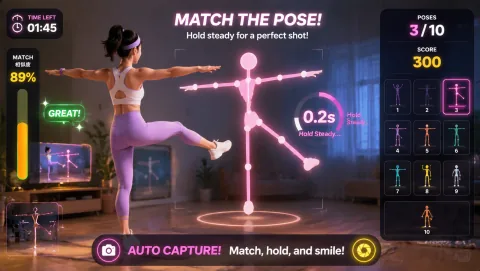
Awkward Pose Studio gameplay preview
Awkward Pose Studio A silhouette appears and your child copies the shape before the countdown ends. Call it out like a letter pose — "arms up like a T!" — and pose-matching becomes letter play.
Best for

Best for parents of 3–6 year olds and preschool/kindergarten teachers who want letter time to include real movement — one laptop, one camera, no downloads or accounts.

01

Letter Calls Over Gameplay

The simplest format needs zero prep: start any short-round game and call letters while your child plays. "Touch the next target when you hear a letter from your name." "Whack a mole every time I say a letter that goes 'mmm.'" The game keeps their body busy; your voice carries the alphabet content. This works because young children listen better while moving than while sitting still with a worksheet.

02

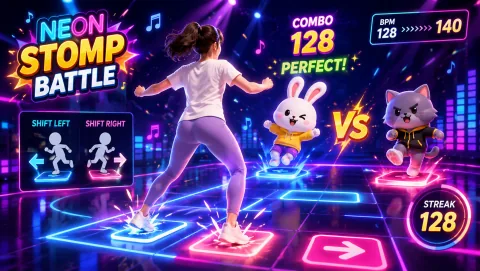
Alphabet Song Stomps

Sing the alphabet song together over a rhythm or stomping game, and have your child step or stomp on each beat. Slow the song down for three-year-olds — one stomp per letter — and speed it up as they learn the sequence. When they can stomp the whole song twice through without losing the beat, that's a genuine physical memory of the letter order, built by their feet rather than a screen.

03

Body-Letter Poses

Some letters are bodies waiting to happen: T is arms out wide, Y is arms up, X is a starfish, O is a hug. During a pose game, narrate the shapes as letters — "that silhouette looks like a T, can you make the T?" — then let them invent poses for the letters in their name. Preschoolers remember what their bodies have done far better than what their eyes have traced.

Carpet-time formats

One laptop, a full carpet of movers

For teachers: these three formats run from a single laptop pointed at the carpet. One child is on camera; everyone else has a letter job so nobody is just watching.

Home routines

Living-room letter breaks

At home, the game is the reward that bookends short letter practice — not a replacement for it. These two patterns fit around bedtime and after-preschool energy.

An honest note

What these games do — and don't do

MovePlay games are reflex and movement games. None of them display letters, track phonics progress, or align to any curriculum, and we won't pretend otherwise. Here's the realistic picture.

Movement supports focus

Short physical breaks help young children return to seated tasks with more attention. A two-minute game round between flashcard sets buys you a fresher learner for the next set — that's the real value, and it's about the break, not the game content.

You supply the alphabet

Every letter in these activities comes from an adult's voice, a song, or a card — never from the screen. That's actually a feature for ages 3–6: you control the pace, the letters, and the difficulty, and the game can't rush a child past what they know.

Practice still matters

Letter recognition grows from repeated exposure — books, magnetic letters, drawing, pointing at signs. Movement games make children more willing to do that practice by breaking it up and attaching it to play, but the practice itself is what teaches.

Calm-down picks

Finish the block on these

Want the full set? Browse all free games in the MovePlay game hub, or check our webcam games overview for setup basics.

Session structure

The 10-minute carpet block

  1. Minute 0–2, warm-up calls: before the game opens, do quick oral letter calls from the carpet or couch — "touch your toes if your name has an E." This sets the letter theme before the screen ever turns on.
  2. Minute 2–7, game rounds with letters over the top: two or three short rounds of a stomping or reaching game, with you calling letters, sounds, or name-spelling cues while they play. Keep each round under two minutes — attention at this age is measured in single digits.
  3. Minute 7–10, calm landing: switch to a seated-friendly matching game or finish with one slow body-letter pose each. Ending calm matters more than ending long, especially before a meal, nap, or the next subject.

Space and camera setup

Room notes for small movers

Clear a patch of floor about two arm-spans wide and mark the on-camera spot with a cushion or tape square — preschoolers need a visible "here" to aim for. Set the laptop at a low angle so small bodies fill the frame; a coffee table usually beats a desk. Keep other children behind a line while one plays, skip jumping games on slippery floors, and end the session the first time the camera-tracking frustration outweighs the fun — with this age group, that moment comes fast and means it's snack time, not failure.

Common questions

FAQ

Do webcam motion games teach letter recognition?

No — MovePlay games show targets, fruits, and silhouettes, not letters, so they can't replace letter practice. What they do well is give 3–6 year olds a short, physical break between practice rounds: an adult calls the letters or sings the song, the child moves to answer, and the pairing keeps wiggly kids engaged longer than flashcards alone. Think of them as the movement layer around your alphabet routine, not the curriculum.

What age are these activities best for?

The formats on this page are tuned for ages 3 to 6 — preschool through kindergarten. Three- and four-year-olds do best with the slowest games and one-letter-at-a-time calls, while five- and six-year-olds can handle letter-sound calls, name spelling, and simple rules like freezing on vowels. Under 3, most children can't stay on camera reliably, so an adult should play alongside them.

How long should a session last for a preschooler?

Five to ten minutes is the right ceiling for ages 3–6, and shorter is often better. A good carpet-time block is: one minute of letter warm-up calls, two or three short game rounds with letters called over the top, then a calm seated game to finish. Stop while they're still having fun — ending on a high note makes the next session an easy sell.

Can I use this for classroom carpet time?

Yes. Project the game from one teacher laptop, point the camera at the carpet, and have one child play while the rest answer letter calls from their spots — stand when you hear a letter in your name, stomp the beat of the alphabet song, copy the on-screen pose. Rotate the player every round. No student devices, accounts, or downloads are needed.

My child doesn't know any letters yet — where do I start?

Start with the letters in their own name — that's the set young children care about most. Call one letter, let them find a way to move for it (clap, stomp, reach high), and play a short game round as the reward. Add one new letter every few days. The game is the motivation; the letter calls are the practice, and both should stay playful rather than tested.
MovePlay — Free Webcam Motion Games

Call the letters. Let the game bring the wiggles.

Play Awkward Pose Studio free