Turn foot traffic into participation
Retail Openings and In-Store Events Use Cases
Camera-controlled games give a retail event a visible center of gravity: people understand the action from the aisle, a host can invite a quick turn, and the result creates a natural moment for conversation.
Retail teams need to attract attention without blocking the entrance, overwhelming staff, or making visitors sit through a sales pitch before they understand the experience.
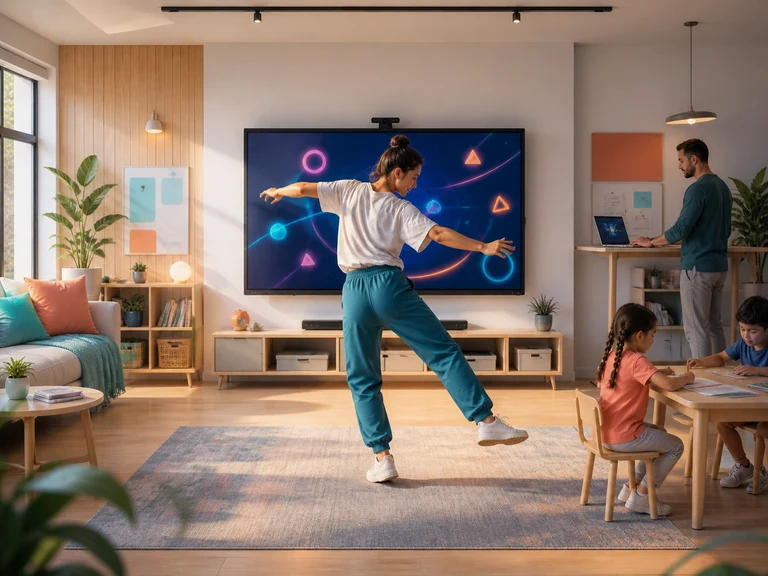
Why motion works here
A visible action can create a more natural invitation
A motion game turns a screen from passive signage into a small stage. The player moves, the crowd sees an immediate response, and the store can place its offer beside a moment that already feels rewarding.
Operating baseline: Use a front-facing display, a clearly taped play mark, one host, and rounds under two minutes. Keep the store entrance and accessible routes clear.
Choose the real moment
Plans shaped around a specific audience and pressure
Grand-opening teams
Interactive Grand-Opening Games
turn curious passersby into active visitorsRead the playbook →02Pop-up shop operators
Motion Games for Mall Pop-Ups
earn attention in a crowded retail corridorRead the playbook →03Supermarket promotion teams
In-Store Promotion Games
give families a quick reason to stop near the displayRead the playbook →04Car dealership event teams
Showroom Event Games
make family waiting time more engagingRead the playbook →05Restaurant opening teams
Queue Games for Restaurant Openings
make the wait feel like part of the openingRead the playbook →06Independent café owners
Compact Café Event Games
create a playful shared moment without disrupting tablesRead the playbook →07Fitness studio operators
Movement Games for Fitness Open Houses
let prospects experience movement before joining a classRead the playbook →08Property showroom teams
Family Games for Property Showrooms
keep children and accompanying family members involvedRead the playbook →09Hotel launch teams
Interactive Hotel Opening Games
give the lobby an approachable interactive featureRead the playbook →10Seasonal retail marketers
Holiday Retail Challenge Games
encourage repeat visits through changing score challengesRead the playbook →Planning for repeat use
Test the operating moment before choosing a plan
A paid plan becomes useful when the activation runs for more than one day and the team needs a broader rotation so returning visitors and staff are not repeating the same challenge. Compare only the current published plan details, and do not assume commercial-use rights or services that are not explicitly described.
Browse the full game hub Compare current plans