Printable session-plan collection
Malls and Public Spaces session plans
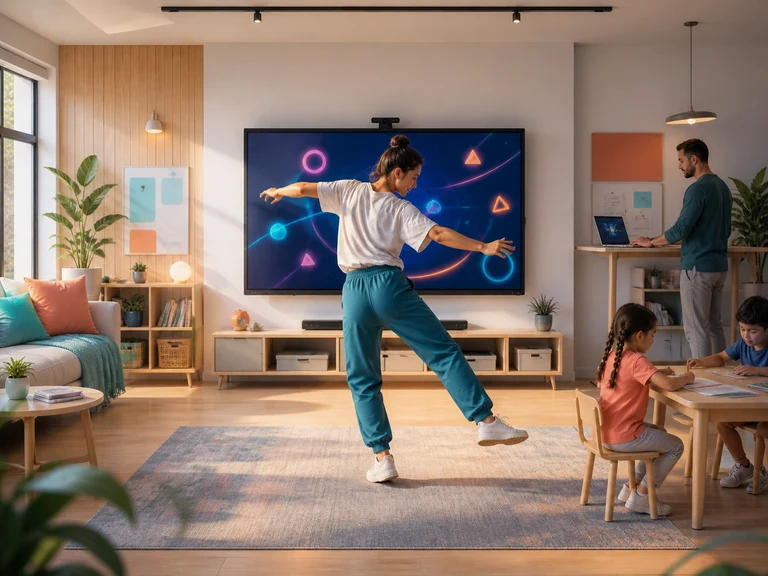
Motion games can make an underused screen or event zone feel active without installing specialized controllers. The movement itself signals that something is happening and invites observation before participation.
Public-space activations must handle mixed audiences, unpredictable traffic, accessibility routes, and visitors who have not planned to join an activity.
Choose the operating moment
Print the plan that fits the actual pressure
Shopping center managers
Shopping Mall Atrium Games
large areas can still feel empty when nothing gives visitors a reason to gatherOpen run of show →Public plaza programmers
Community Plaza Interactive Games
attendance is fluid and no single start time reaches everyoneOpen run of show →Library experience teams
Library Lobby Motion Games
the station must remain contained and compatible with a quieter environmentOpen run of show →Museum visitor-experience teams
Museum Lobby Welcome Games
ticketing and group assembly create dead time before exhibits beginOpen run of show →Transit venue marketers
Transit Hub Event Games
people have short attention windows and must never be delayed from travelOpen run of show →Local government engagement teams
Municipal Open-House Games
formal displays can feel distant to residents arriving with childrenOpen run of show →Commercial property managers
Office Lobby Tenant Games
the activity must coexist with security, deliveries, and daily circulationOpen run of show →Public market operators
Public Market Family Games
vendors compete for attention and the central program needs to complement rather than obstruct themOpen run of show →Bookstore event teams
Bookstore Event Motion Games
readings and signings leave younger attendees waiting between formal momentsOpen run of show →Garden center marketers