01
Name the job
For punch games for kids, decide whether the immediate job is an active break, shared play, a teaching prompt, a party opener, or a controlled solo attempt. Keep that job visible to everyone involved.
Active Play and Movement · exploring options
A practical starting point for children and parents who are exploring options. Use the phrase “punch games for kids” to choose a workable camera-game format, then test it in the room before adding pressure.
Frame movement as active play. Let people decide the range, pace, and number of rounds that fit their day instead of promising a health result.
This guide targets children and parents who are exploring options. The practical focus is active play and movement and a practical camera-game choice: make the camera interaction understandable before adding score, speed, or social pressure.
This guide also covers: punch webcam games, punch games online. Choose the section that matches the people, room, and control style you actually have.
For children and parents, the useful first question is whether active play and movement and a practical camera-game choice makes sense in the room you actually have. Start with one short round, then adjust the format before adding more pace or score.
01
For punch games for kids, decide whether the immediate job is an active break, shared play, a teaching prompt, a party opener, or a controlled solo attempt. Keep that job visible to everyone involved.
02
Start with the camera view, then clear only the area the chosen movement needs. In 儿童/家长 settings for punch games for kids, leave an obvious path to stop or step aside.
03
Choose the option whose first movement is easiest to explain for punch games for kids; a quieter or hand-led alternative is usually more useful than simply turning up the intensity. Let the first cue do the teaching.
04
Clear the immediate play area before any larger gesture, step, or squat.
Use the first game as a rehearsal, not a verdict for punch games for kids. If the control feels awkward for children and parents, keep the same goal and switch the input style. These are options to test, not a universal ranking.
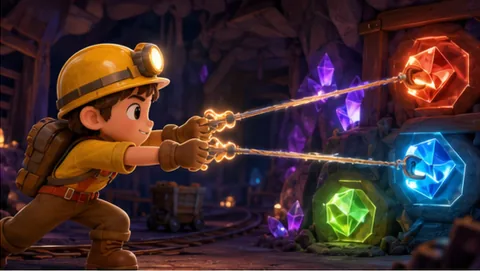
camera-guided movement
Mine Hook is included for punch games for kids because it uses camera-guided movement in a clear area where the player can stay visible.
Play fit: a readable movement-to-screen loop For punch games for kids, plan for a clear area where the player can stay visible.

camera-guided movement
Bubble Sub is included for punch games for kids because it uses camera-guided movement in a clear area where the player can stay visible.
Play fit: a readable movement-to-screen loop For punch games for kids, plan for a clear area where the player can stay visible.

camera-guided movement
PulseWing is included for punch games for kids because it uses camera-guided movement in a clear area where the player can stay visible.
Play fit: a readable movement-to-screen loop For punch games for kids, plan for a clear area where the player can stay visible.
Use the game hub as the final check. Do a quiet rehearsal in the actual room for punch games for kids: check what the camera sees, where a person can stand, and how the group can pause without interrupting the space.
Open the game hubA good first attempt should answer one practical question: can children and parents understand the cue and stop comfortably? Use active play and movement and a practical camera-game choice as the starting point, then change the format if the room says otherwise. Offer player, caller, scorekeeper, and observer roles where a group is involved; nobody needs to perform for the camera to belong to the activity.
The room is part of punch games for kids. Mark the play boundary, test the opening cue, and make sure a participant can leave the turn without crossing another person’s path. Keep the session unrecorded by default, notify nearby people when the camera is active, and avoid casual screenshots.
Let the real setup decide. A game that looks right in a list for punch games for kids may not fit the camera height, floor space, or confidence level in your room. End the round cleanly and switch to a lower-movement or hand-led option when the first choice is not working.
Frame movement as active play. Let people decide the range, pace, and number of rounds that fit their day instead of promising a health result. For children and parents, begin with one game rule and one clear stopping point.
For punch games for kids, MovePlay is one browser-based option to test. Start with the camera frame and the control style that suits children and parents; the right fit is what works in the real room, not a promised outcome.
Clear the immediate play area before any larger gesture, step, or squat. Return to the game hub and select a different control style rather than forcing the original activity.