01
Set the footprint
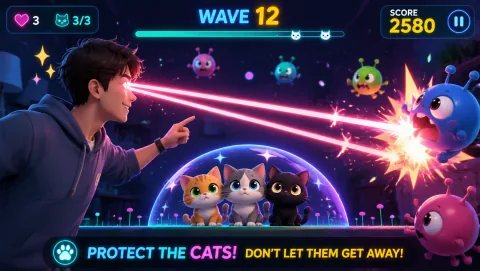
Mark and test the operating footprint. Mark a compact zone clear of vendor stalls, food service, trolley routes, loading access, queues, and accessible circulation. LaserEyes leads because its low-movement footprint can remain visible without pulling the market across a busy aisle.
02
Open the round
Rehearse the exact opening moment. In the weekend market, the family host starts with LaserEyes because vendors compete for attention and the central program needs to complement rather than obstruct them. The host demonstrates head-position aiming, runs one bounded turn, and hands the station to the next participant so the program can add a family-friendly feature between stalls.
03
Guide the rotation
Assign and rehearse the operator sequence. The market activity host checks the camera mark, explains LaserEyes in one sentence, invites one voluntary turn, resets the result, and offers BubbleMatch only when the flow between stalls can support a slightly longer interaction.
04
Close or change course
Brief privacy and contingency choices before opening. Post clear camera-use language and keep play separate from vendor sales, mailing lists, and market photography. Ask before participation and do not save or share participant images by default. Close the station whenever queues, deliveries, or weather push people into the marked zone. A host demonstration is preferable to obstructing a stall; otherwise move from LaserEyes to BubbleMatch without expanding the footprint.