Printable session plan · Small-Space and Lower-Impact Play

Classroom Corner Hand-Tracking Games: run of show

A practical, time-bounded plan for teachers using a classroom corner in a small supervised station. Use it to rehearse one clear activity without improvising the room, camera, or participation rules.

Keep the plan useful when the room changes

The practical question is how to offer camera play while the rest of the class works nearby when the station cannot spill into desks or raise the whole room’s noise level.

This is a run-of-show companion to the broader Classroom Corner Hand-Tracking Games use-case guide. Its purpose is narrower: help the operator or host run one thoughtful session with a defined start, a clear option to pause, and a prepared fallback.

MovePlay includes games controlled by hands, gestures, poses, and contained upper-body movement. Selecting from those real formats lets players reduce travel across the floor while still interacting through the camera.

Walk through the room before the first turn

01

Set the footprint

Mark and test the operating footprint. Use a supervised camera mark clear of desks, doorways, and the next teaching zone. For this exact small supervised station, protect lesson transitions, student rotation, supervision, and accessible exits; GestureChess is first because its profile uses seated or compact standing space with low movement.

02

Open the round

Rehearse the exact opening moment. In the small supervised station, the school activity lead starts with GestureChess because the station cannot spill into desks or raise the whole room’s noise level. The host demonstrates hand pointing and pinch selection, runs one bounded turn, and hands the station to the next participant so the program can offer camera play while the rest of the class works nearby.

03

Guide the rotation

Assign and rehearse the operator sequence. For the small supervised station, the teacher checks the seated camera mark, explains GestureChess's hand pointing and pinch selection, invites one voluntary turn, resets the result, and offers GestureXiangqi only when the next student understands that alternate board.

04

Close or change course

Brief privacy and contingency choices before opening. Follow school safeguarding and camera policy; do not retain student names or images. Before the first GestureChess turn in the small supervised station, state that choice and keep opt-out participation available for teachers using a classroom corner. If the station begins to spill into desks or raise the room’s noise level, close it and use a teacher-led no-camera prompt; otherwise move from GestureChess to GestureXiangqi without expanding the seated footprint.
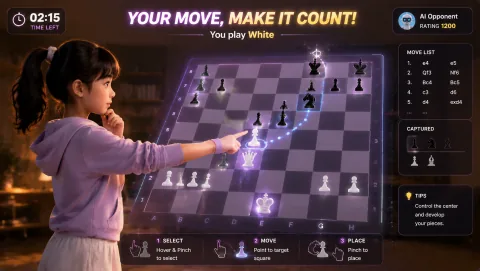
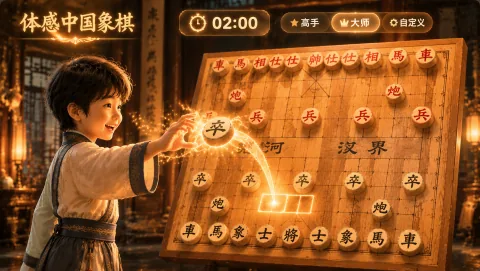
Decision standard: The format can offer camera play while the rest of the class works nearby without interfering with the main purpose of a small supervised station.

Choose a first round that fits this room

The first choice for a small supervised station should leave room for conversation, late arrivals, and a clean handoff. Use these games as a short test against the station cannot spill into desks or raise the whole room’s noise level

Gesture Xiangqi webcam motion game

hand pointing and pinch selection

Gesture Xiangqi

Gesture Xiangqi is included for Classroom Corner Hand-Tracking Games because it uses hand pointing and pinch selection in seated or compact standing space with low movement.

Play fit: calm strategy turns for players who already know or want to explore Xiangqi For classroom corner hand-tracking games, plan for seated or compact standing space with low movement.

Laser Eyes webcam motion game

head-position aiming

Laser Eyes

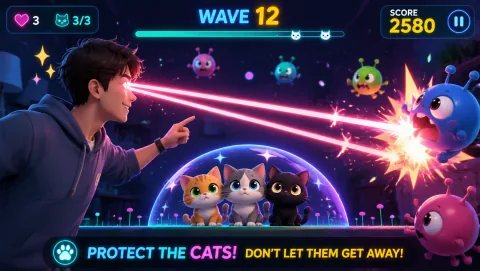
Laser Eyes is included for Classroom Corner Hand-Tracking Games because it uses head-position aiming in seated or standing space with low movement.

Play fit: quiet, contained participation when floor travel is unsuitable For classroom corner hand-tracking games, plan for seated or standing space with low movement.

Later choices: Snake. For Teachers using a classroom corner in the small supervised station, offer GestureChess first to anyone choosing a lower-movement or seated role: its hand pointing and pinch selection uses seated or compact standing space with low movement. Also provide spectator, scorekeeper, and no-camera roles.

Keep the camera view and the exit clear

Space and light

Use a supervised camera mark clear of desks, doorways, and the next teaching zone. For this exact small supervised station, protect lesson transitions, student rotation, supervision, and accessible exits; GestureChess is first because its profile uses seated or compact standing space with low movement. Test camera framing and backlight from that exact zone before the first GestureChess turn.

Access and privacy

For Teachers using a classroom corner in the small supervised station, offer GestureChess first to anyone choosing a lower-movement or seated role: its hand pointing and pinch selection uses seated or compact standing space with low movement. Also provide spectator, scorekeeper, and no-camera roles. Follow school safeguarding and camera policy; do not retain student names or images. Before the first GestureChess turn in the small supervised station, state that choice and keep opt-out participation available for teachers using a classroom corner. Everyone has the right to opt out, choose an observer role, or stop the activity without having to explain or justify that choice.

Fallback

If the station begins to spill into desks or raise the room’s noise level, close it and use a teacher-led no-camera prompt; otherwise move from GestureChess to GestureXiangqi without expanding the seated footprint.
Use active play responsibly

Use the plan for teachers using a classroom corner to make a small supervised station easier to host, not to make a health claim. If someone has a health or mobility concern, invite qualified professional advice and offer a genuine way to pause or observe.

The WHO Guidelines can frame the wider movement conversation; this plan still needs to follow the privacy, access, and supervision rules that apply to teachers using a classroom corner. WHO Guidelines on physical activity and sedentary behaviour.

What to observe here: The format can offer camera play while the rest of the class works nearby without interfering with the main purpose of a small supervised station.

Answers to settle before the session

What is the opening move for Classroom Corner Hand-Tracking Games?

In the small supervised station, the school activity lead starts with GestureChess because the station cannot spill into desks or raise the whole room’s noise level. The host demonstrates hand pointing and pinch selection, runs one bounded turn, and hands the station to the next participant so the program can offer camera play while the rest of the class works nearby.

How should the space and camera be prepared?

Use a supervised camera mark clear of desks, doorways, and the next teaching zone. For this exact small supervised station, protect lesson transitions, student rotation, supervision, and accessible exits; GestureChess is first because its profile uses seated or compact standing space with low movement. Test camera framing and backlight from that exact zone before the first GestureChess turn.

What if the planned round no longer fits the room?

If the station begins to spill into desks or raise the room’s noise level, close it and use a teacher-led no-camera prompt; otherwise move from GestureChess to GestureXiangqi without expanding the seated footprint.