01
Set the footprint
Mark and test the operating footprint. Use a supervised play mark clear of project tables, bags, doors, and waiting groups. For this exact regular troop meeting, protect youth supervision, staggered turns, activity cues, and collection flow; LaserEyes is first because its profile uses seated or standing space with low movement.
02
Open the round
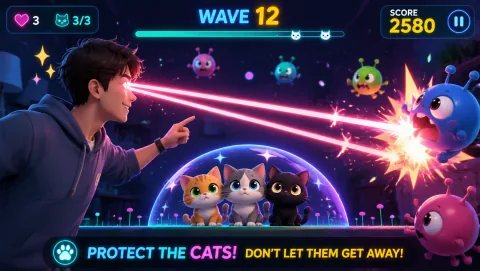
Rehearse the exact opening moment. At the regular troop meeting, the youth-program leader starts with LaserEyes because administrative moments can leave part of the group waiting. The host demonstrates head-position aiming, runs one bounded turn, and hands the station to the next participant so the program can add a short team challenge between planned activities.
03
Guide the rotation
Assign and rehearse the operator sequence. For the regular troop meeting, the youth-program leader checks the camera mark, explains LaserEyes's head-position aiming, invites one voluntary turn, resets the result, and offers WhackAMole only while the flow remains clear enough to add a short team challenge between planned activities.
04
Close or change course
Brief privacy and contingency choices before opening. Use the program’s guardian-consent and safeguarding process; do not retain participant images. Before the first LaserEyes turn in the regular troop meeting, state that choice and keep opt-out participation available for scout group leaders. At the regular troop meeting, if administrative moments can leave part of the group waiting, offer spectator, scorekeeper, or leader-led no-camera roles; otherwise move from LaserEyes to WhackAMole without expanding the marked footprint.