01
Set the footprint
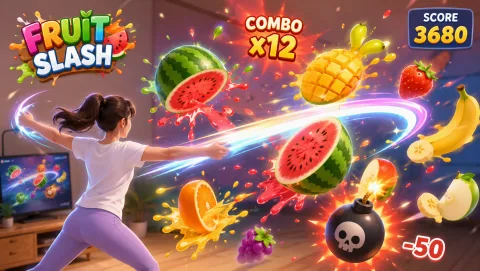
Mark and test the operating footprint. Use a camera-ready mark separated from microphones, cables, talent routes, and audience seating. For this exact backstage or pre-show stream, protect the rundown, recording cues, guest handoffs, and audience participation; FruitSlash is first because its profile uses compact-to-medium standing space with moderate upper-body movement.
02
Open the round
Rehearse the exact opening moment. At the backstage or pre-show stream, the segment producer starts with FruitSlash because waiting for the main set can produce repetitive conversation and uncertain pacing. The host demonstrates alternating arm swipes, runs one bounded turn, and hands the station to the next participant so the program can give the broadcast a structured activity before performance time.
03
Guide the rotation
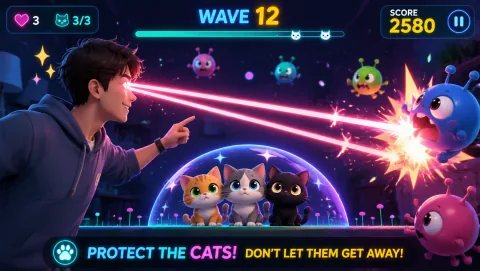
Assign and rehearse the operator sequence. For the backstage or pre-show stream, the segment producer checks the camera mark, explains FruitSlash's alternating arm swipes, invites one voluntary turn, resets the result, and offers LaserEyes only while the flow remains clear enough to give the broadcast a structured activity before performance time.
04
Close or change course
Brief privacy and contingency choices before opening. State whether the feed is broadcast; obtain explicit consent before showing or saving participant images. Before the first FruitSlash turn in the backstage or pre-show stream, state that choice and keep opt-out participation available for music creators. At the backstage or pre-show stream, if waiting for the main set can produce repetitive conversation and uncertain pacing, cut cleanly to a no-camera audience prompt if the rundown or feed changes; otherwise move from FruitSlash to LaserEyes without expanding the marked footprint.