01
Set the footprint
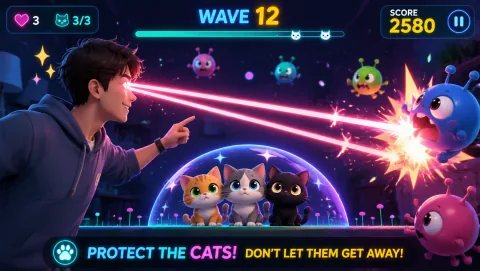
Mark and test the operating footprint. Mark one camera position away from furniture, doors, cables, queues, tools, food, and the main route through a first-time session connected to a children’s library program. LaserEyes comes first because its movement can be tested inside the real footprint while a forgiving opening game and permission to watch remains visible.
02
Open the round
Rehearse the exact opening moment. In a first-time session connected to a children’s library program, the host opens with LaserEyes because the activity must respect reading, accessibility, and low-noise expectations; new participants may hesitate when rules or performance feel public. The host uses a forgiving opening game and permission to watch, gives one complete turn, and hands the result back to children’s librarians and program teams so the activity can connect a movement round to a story, theme, or waiting moment through make movement feel like an invitation rather than a test. The operating angle is quiet, contained play that leaves the reading experience in charge.
03
Guide the rotation
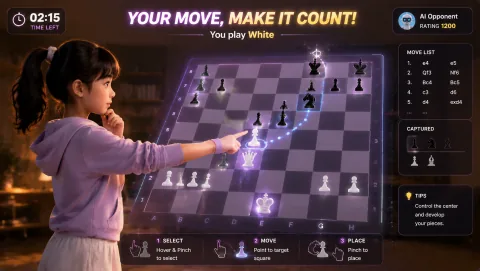
Assign and rehearse the operator sequence. The host names the first action in one sentence, demonstrates LaserEyes, invites a voluntary turn, waits for the result, and offers GestureChess only when the room still supports connect a movement round to a story, theme, or waiting moment through make movement feel like an invitation rather than a test. Next: GestureChess or observe; mark the exit.
04
Close or change course
Brief privacy and contingency choices before opening. In a first-time session connected to a children’s library program, explain the webcam view before play and keep it separate from attendance, purchase, membership, student, health, or contact records. Do not record or share participant images by default; offer a no-camera or watching role to anyone who does not want to appear. If the activity must respect reading, accessibility, and low-noise expectations; new participants may hesitate when rules or performance feel public, pause the station before it interferes with the main purpose of a first-time session connected to a children’s library program. Switch to GestureChess or a no-camera explanation, keep the same marked zone, and stop cleanly.