01
Set the footprint
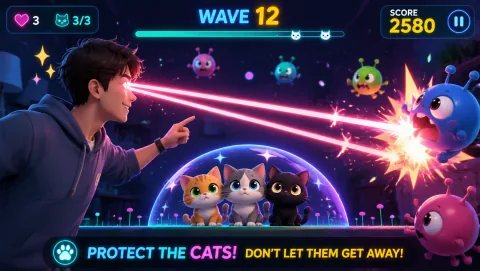
Mark and test the operating footprint. Frame a brief work reset around the space that genuinely exists: one marked position away from furniture, door swings, loose cables, pets, and household traffic. Test LaserEyes inside its seated or standing space with low movement footprint and keep later rounds within the same boundary.
02
Open the round
Rehearse the exact opening moment. The useful first move for standing-desk users is one LaserEyes round in a brief work reset. Its head-position aiming creates a defined attempt to switch from static standing to purposeful movement; after it ends, the player can continue, change pace, or finish.
03
Guide the rotation
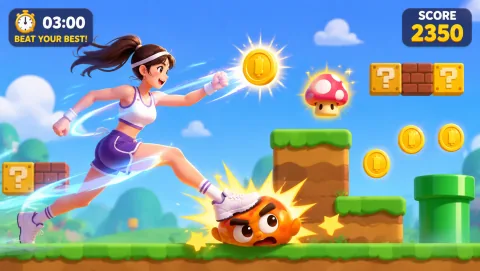
Choose and rehearse the personal sequence. For a brief work reset, check the floor and framing once, complete a bounded LaserEyes attempt, and notice whether head-position aiming still fits. Move to GenkiRun only when its in-place running arm rhythm suits the room and the player wants another turn.
04
Close or change course
Set the privacy and stop choices before starting. When starting a brief work reset, check what the camera reveals behind the player as well as the play area. Keep the session unrecorded by default, notify other people nearby, and never assume that entering the room means agreeing to be on camera. If the real constraint is that changing desk position alone does not create a real break from the task, use LaserEyes as the lower-movement route or finish the session. The plan remains useful when it makes stopping easy instead of turning a short activity into an obligation.