A weekly movement challenge can create a light routine without requiring employees to follow the same workout. The best format gives people multiple ways to contribute and keeps personal health data private.
For teams, a good energizer is deliberately modest. Managers should model participation casually rather than tracking who joins or turning wellbeing into another performance metric. If people come back more awake and not embarrassed, the activity did enough.
Week 1: movement minutes
Track any intentional movement: walking, cycling, active games, sport, gym, yoga, or mobility.
The social design matters as much as the movement itself. Managers should model participation casually rather than tracking who joins or turning wellbeing into another performance metric. If people come back more awake and not embarrassed, the activity did enough.
A break between meetings only works if it respects the context around it. Managers should model participation casually rather than tracking who joins or turning wellbeing into another performance metric. If people come back more awake and not embarrassed, the activity did enough.
Week 2: outdoor break
Aim for one work break outside on several days. People can choose duration and activity.
In professional settings, low pressure usually beats high enthusiasm. Managers should model participation casually rather than tracking who joins or turning wellbeing into another performance metric. If people come back more awake and not embarrassed, the activity did enough.
Week 3: meeting movement:
Turn one eligible call into a walking meeting or add a short break to a long team session.
Week 4: play challenge
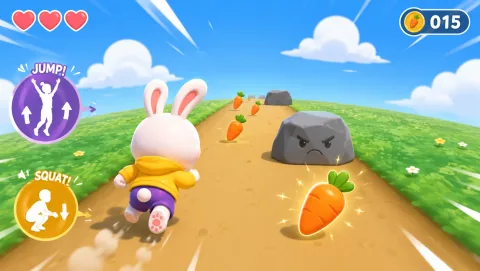
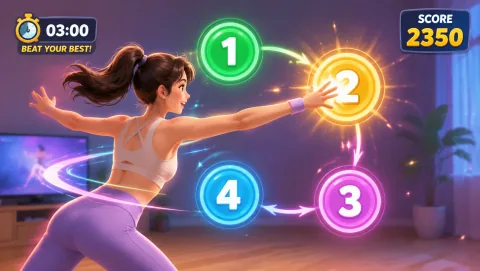
Use a low-stakes game: reaction score, dance track, active browser game, or local sport.
Workplace movement should fit inside work rather than pretending the office has become a gym. The finish should be as clear as the start so the group can return to work without losing another five minutes. If people come back more awake and not embarrassed, the activity did enough.
Week 5: variety bingo:
Complete different movement categories rather than accumulating the highest total.
Week 6: team streak:
The team earns one point for every day when a chosen percentage of members participates. This shifts focus from individual leaderboard dominance to collective consistency.
Keep reporting simple:
Use self-report checkboxes or optional totals. Do not require employees to connect wearable or health accounts unless the program has a clear need, privacy review, and voluntary consent.
Rotate the type of challenge:
Some people love walking; others prefer games, strength work, cycling, or lower-impact movement. A varied program gives more people a week that fits them.
Do not tie wellness participation to performance evaluation
Keep activity separate from manager assessment and HR performance data.
A weekly challenge should create permission and prompts to move—not a surveillance system around employees’ bodies.
For teams, a good energizer is deliberately modest. The finish should be as clear as the start so the group can return to work without losing another five minutes. If people come back more awake and not embarrassed, the activity did enough.
Keep the social pressure lower than the benefit
Best fit: this is useful when people can join for a short reset, understand the invitation immediately, and leave without having to explain why they are sitting out.
Limit: it is a poor choice when participation is treated as a performance, the activity competes with a serious meeting, or colleagues have very different comfort levels with cameras and movement.
If you are choosing: If you are choosing between ideas, prefer a short optional round with a personal target over a public leaderboard. The goal is an easier break, not another workplace metric.