Valentine’s Day classroom activities can be festive without turning the whole lesson into candy, crafts, or a long party. Short movement games work well between academic tasks or as part of a class celebration.
Seasonal activities work when the occasion changes the advice, not merely the vocabulary. Guests, mixed ages, bad weather, school excitement, or hours spent indoors all change what is realistic. A theme adds flavor; the practical constraints still decide whether people enjoy it.
Heart-color reaction
Show red, pink, white, and purple cues. Assign one movement to each color and call changing sequences.
The calendar gives context, but it should not be doing all the creative work. Guests, mixed ages, bad weather, school excitement, or hours spent indoors all change what is realistic. A theme adds flavor; the practical constraints still decide whether people enjoy it.
Holiday and weather content is most useful when it respects how the day actually feels. Guests, mixed ages, bad weather, school excitement, or hours spent indoors all change what is realistic. A theme adds flavor; the practical constraints still decide whether people enjoy it.
Seasonal planning often improves when the schedule is made smaller, not larger. Guests, mixed ages, bad weather, school excitement, or hours spent indoors all change what is realistic. A theme adds flavor; the practical constraints still decide whether people enjoy it.
Compliment move-and-pass
Students pass a soft object around a circle. When the music stops, the holder gives a general positive classroom statement—something they appreciate about the class, not a forced personal compliment.
The theme should support the activity rather than carry a weak one. Guests, mixed ages, bad weather, school excitement, or hours spent indoors all change what is realistic. A theme adds flavor; the practical constraints still decide whether people enjoy it.
Match-the-pair movement
Give pairs of symbols, words, or vocabulary items. Students find the matching partner, then complete a simple movement cue together.
Seasonal activities work when the occasion changes the advice, not merely the vocabulary. Keep rules quick, setup light, and at least one calmer option available for the point when energy drops. A theme adds flavor; the practical constraints still decide whether people enjoy it.
Valentine pose challenge:
Use shapes such as heart, arrow, star, or “friendship statue” for quick pose rounds. Keep participation light and non-romantic.
One-screen target game:
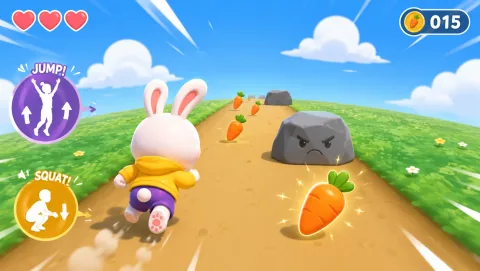
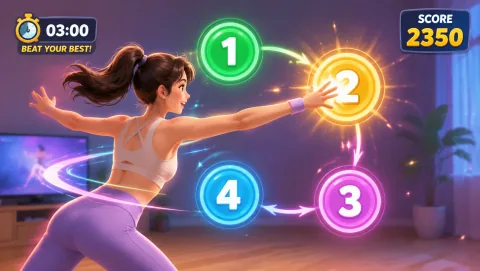
If you use a digital movement activity, add a Valentine theme to the visuals rather than changing the core rules. Familiar gameplay saves explanation time.
Keep the theme inclusive
Not every student enjoys romantic framing. Focus on friendship, kindness, teamwork, and class community.
A good holiday movement break feels like a normal classroom activity with a seasonal layer—not a social-pressure exercise.
The calendar gives context, but it should not be doing all the creative work. Keep rules quick, setup light, and at least one calmer option available for the point when energy drops. A theme adds flavor; the practical constraints still decide whether people enjoy it.
Make the activity work in the real timetable
Best fit: use this when the teacher can explain one visible rule, keep the first turn brief, and give students a clear way to watch, lead, or pause without being singled out.
Limit: it is a poor fit when setup takes longer than the learning goal, the room cannot be reset safely, or the scoring rewards speed over control. A lower-tech version may teach the same idea better.
If you are choosing: If you are choosing between formats, begin with the option that needs the fewest materials and the least movement across the room. Test one round before committing the whole class.