01
Set the footprint
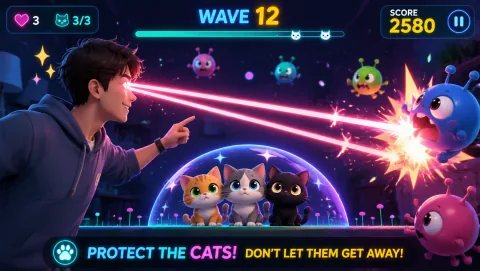
Mark and test the operating footprint. Use a taped stand footprint clear of aisle, neighboring stands, and lead-capture desks. For this exact registration and badge queue, protect aisle traffic, demonstrations, conversations, and stand handoffs; LaserEyes is first because its profile uses seated or standing space with low movement.
02
Open the round
Rehearse the exact opening moment. At the registration and badge queue, the booth host starts with LaserEyes because check-in bottlenecks shape the first impression before the program starts. The host demonstrates head-position aiming, runs one bounded turn, and hands the station to the next participant so the program can give early arrivals something social to watch or try.
03
Guide the rotation
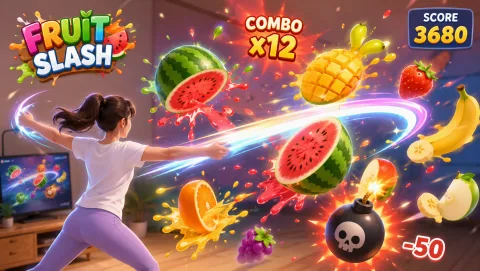
Assign and rehearse the operator sequence. For the registration and badge queue, the booth host checks the camera mark, explains LaserEyes's head-position aiming, invites one voluntary turn, resets the result, and offers FruitSlash only while the flow remains clear enough to give early arrivals something social to watch or try.
04
Close or change course
Brief privacy and contingency choices before opening. Keep play separate from badge scans, lead forms, and attendee profiles. Before the first LaserEyes turn in the registration and badge queue, state that choice and keep opt-out participation available for conference operations teams. At the registration and badge queue, if check-in bottlenecks shape the first impression before the program starts, switch to a one-person demo when aisle pressure reaches the stand; otherwise move from LaserEyes to FruitSlash without expanding the marked footprint.