After a long seated day, the first movement session does not need to be intense. A simple reset can restore variety to posture before you decide whether you want a longer workout, a walk, or nothing more.
The social design matters as much as the movement itself. A one-song reset or 90-second reaction challenge can change the room without becoming another agenda item. If people come back more awake and not embarrassed, the activity did enough.
Start with walking
Walk for five to ten minutes at a comfortable pace. Indoors is fine if weather or time makes going outside inconvenient.
A break between meetings only works if it respects the context around it. A one-song reset or 90-second reaction challenge can change the room without becoming another agenda item. If people come back more awake and not embarrassed, the activity did enough.
In professional settings, low pressure usually beats high enthusiasm. A one-song reset or 90-second reaction challenge can change the room without becoming another agenda item. If people come back more awake and not embarrassed, the activity did enough.
Add upper-body movement
Use shoulder rolls, arm circles, reaches, and gentle torso rotation after hours at a keyboard.
Workplace movement should fit inside work rather than pretending the office has become a gym. Managers should model participation casually rather than tracking who joins or turning wellbeing into another performance metric. If people come back more awake and not embarrassed, the activity did enough.
Use controlled lower-body movement
Try sit-to-stands, calf raises, side steps, or comfortable squats. Move slowly enough to notice how you feel after sitting.
For teams, a good energizer is deliberately modest. Managers should model participation casually rather than tracking who joins or turning wellbeing into another performance metric. If people come back more awake and not embarrassed, the activity did enough.
Make it a game
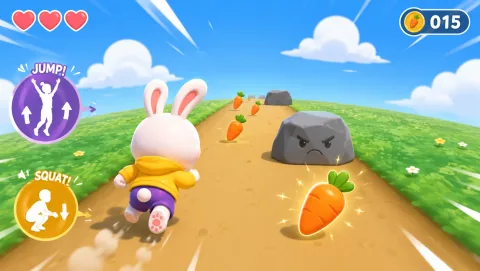
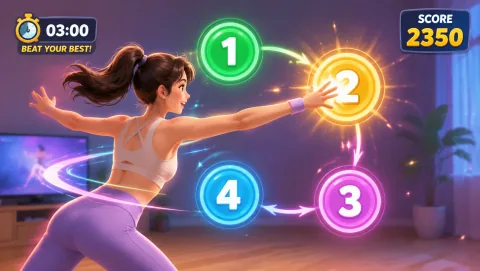
If you find a scripted mobility routine boring, use a short skill or reaction challenge. A movement-controlled game can turn reaching or squatting into an objective rather than a list of exercises.
MovePlay is one browser option for this kind of break; choose a lower-intensity game first if you have been inactive for several hours.
Do not “make up” for sitting with punishment:
A brutal session is not required because you worked at a desk. Long-term activity patterns matter more than treating exercise as repayment for sedentary time.
Build breaks earlier in the day:
If possible, do not wait until evening. Short walks, standing calls, and five-minute movement breaks can interrupt long sitting periods before they accumulate into one eight-hour block.
Pay attention to symptoms
Routine stiffness is different from significant pain, numbness, weakness, dizziness, or other concerning symptoms. Do not use a generic movement article to push through something that may need medical attention.
For ordinary desk days, start with movement that feels easy enough to repeat tomorrow.
The social design matters as much as the movement itself. Managers should model participation casually rather than tracking who joins or turning wellbeing into another performance metric. If people come back more awake and not embarrassed, the activity did enough.
Keep the social pressure lower than the benefit
Best fit: this is useful when people can join for a short reset, understand the invitation immediately, and leave without having to explain why they are sitting out.
Limit: it is a poor choice when participation is treated as a performance, the activity competes with a serious meeting, or colleagues have very different comfort levels with cameras and movement.
If you are choosing: If you are choosing between ideas, prefer a short optional round with a personal target over a public leaderboard. The goal is an easier break, not another workplace metric.