Short-form motion content works when the viewer understands the rule before the clip is half over. A challenge should have one visible goal, a clear fail state, and enough physical reaction to be interesting on camera.
The most useful activity library is smaller than people think. A dozen tested formats with clear setup, duration, group size, and fallback can outperform a folder of fifty ideas nobody remembers how to run.
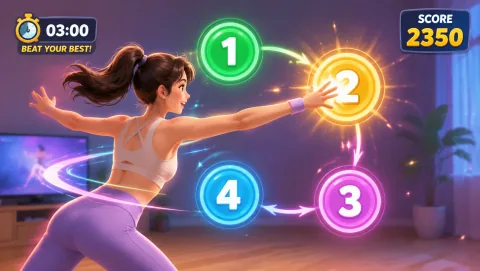
Beat-my-score
Show the score target at the start and cut directly to the attempt.
Add a duration range instead of one exact time. Real groups arrive late, finish early, and vary in energy.
Changing groups make flexible formats more useful than elaborate one-off plans. If someone needs a long briefing to understand how to start, stop, and recover the activity, too much knowledge is still trapped in the original facilitator. That is how a collection of ideas becomes a dependable program.
Three-game ladder
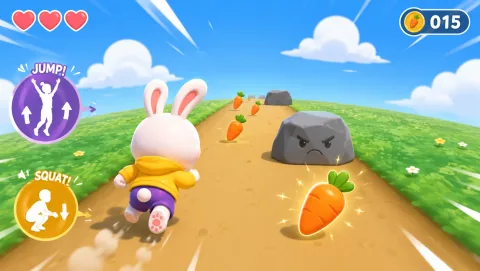
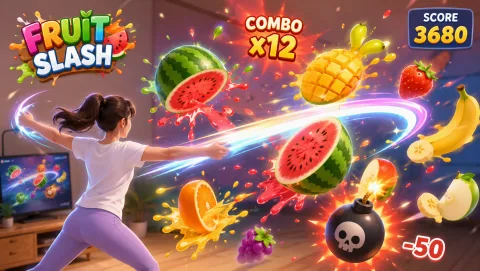
Complete one reaction, one squat, and one swipe challenge. Each round gets harder.
Record the fallback next to the main plan, not in a separate document nobody opens when the room changes.
The best activity notes anticipate the day when the original planner is not in the room. If someone needs a long briefing to understand how to start, stop, and recover the activity, too much knowledge is still trapped in the original facilitator. That is how a collection of ideas becomes a dependable program.
Parent vs child:
Use the same game but compare different strategies. Keep the framing playful rather than humiliating the loser.
One-minute survival
Choose a game with increasing speed and try to last for 60 seconds.
Facilitators need activities that another person can run tomorrow. After several sessions, use queue points, confusing rules, and participation patterns as feedback for improving the format. That is how a collection of ideas becomes a dependable program.
No-controller challenge
Make the premise explicit: “Can I play this game with only my body?” This explains the product category without a long intro.
An activity library becomes valuable when it stores operational knowledge, not only ideas. After several sessions, use queue points, confusing rules, and participation patterns as feedback for improving the format. That is how a collection of ideas becomes a dependable program.
Small-space test:
Try several games in a clearly measured play area and show which ones actually fit. This has more value than generic promotional footage.
Creator-made rule:
Add one safe constraint such as alternating hands or changing stance between rounds.
Film the setup honestly
Show the real camera distance and room, not only the final crop. Viewers care about whether the experience will work for them.
Challenge content performs better when it demonstrates the product naturally instead of pausing for a sales pitch.
Repeatability is a feature for coordinators, not a sign that the program lacks creativity. After several sessions, use queue points, confusing rules, and participation patterns as feedback for improving the format. That is how a collection of ideas becomes a dependable program.
Choose it for the group in front of you
Best fit: this works when the ages and confidence levels can share one simple goal, with an adult able to explain the first round and step in if the room loses focus.
Limit: it is a weaker choice when children are tired, the ages are far apart, or one person is expected to perform in front of everyone. A quieter role or a shorter round may be the better answer.
If you are choosing: start with the smallest version that can succeed in the available space. Add speed, scoring, or competition only after the group understands the basic action.