Time with an aging parent does not need to revolve around appointments, chores, or conversations about health. Shared activities give both people something to do together and often make conversation easier.
The useful design question is how much choice the participant has. Everyday engagement can be valuable on its own without making claims about treatment, cognition, or fall prevention. The most meaningful signal is often whether people want another round.
Revisit a familiar place
Take a walk, drive, or public-transport trip to a neighborhood, park, market, or restaurant with personal history.
Activities for older adults should begin with the person, not the age label. Large cues, generous timing, short rounds, and seated or standing options reduce unnecessary barriers without removing humor or challenge. Respect and choice matter more than attaching a 'senior' label to the game.
Simple rules do not require childish presentation. Large cues, generous timing, short rounds, and seated or standing options reduce unnecessary barriers without removing humor or challenge. Respect and choice matter more than attaching a 'senior' label to the game.
Cook a family recipe:
Make something the parent knows well and let them lead where practical. Record the recipe or story behind it.
Short rounds make rest easier and reduce the social pressure to continue when someone is tired.
Build a music session:
Take turns choosing songs from different periods. Create a playlist together or play “name that song.”
Sort and digitize photos
This creates a useful family archive while naturally opening stories about people and places.
Mixed ability is normal in older-adult groups, not an edge case. Large cues, generous timing, short rounds, and seated or standing options reduce unnecessary barriers without removing humor or challenge. Respect and choice matter more than attaching a 'senior' label to the game.
Play a game from each generation:
Your parent teaches a familiar card, tile, or traditional game. You teach a modern digital or party game.
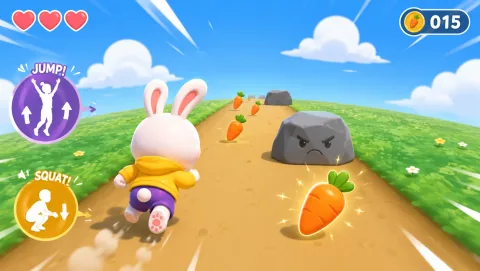
If trying a motion game, use a simple seated or reach-based format first rather than choosing the most physically demanding title.
Visit something small:
A museum, garden, library event, café, or local market can be easier than planning a full-day outing.
Do a puzzle or build project:
Jigsaws, crosswords, model kits, gardening projects, or simple repairs can create shared focus.
Include grandchildren when it fits:
Intergenerational games, cooking, photo stories, or short movement challenges can give grandparents and children a concrete way to interact.
Let fun be enough
Not every activity needs to improve memory, balance, or “healthy aging.” Older adults are allowed to do things because they are interesting, funny, social, or relaxing.
That is a more respectful basis for choosing activities—and usually a better predictor of whether your parent wants to do them again.
A good activity can stay challenging while becoming easier to access physically. Large cues, generous timing, short rounds, and seated or standing options reduce unnecessary barriers without removing humor or challenge. Respect and choice matter more than attaching a 'senior' label to the game.
Choose it for the group in front of you
Best fit: this works when the ages and confidence levels can share one simple goal, with an adult able to explain the first round and step in if the room loses focus.
Limit: it is a weaker choice when children are tired, the ages are far apart, or one person is expected to perform in front of everyone. A quieter role or a shorter round may be the better answer.
If you are choosing: start with the smallest version that can succeed in the available space. Add speed, scoring, or competition only after the group understands the basic action.