Every extra step lowers event participation. Requiring guests to find an app, install it, create an account, and grant permissions can be reasonable for a long-term product—but it is often poor design for a 45-second event interaction.
Public and commercial activities have to survive operational reality. Staff need a short instruction card covering setup, goal, safety, reset, and what to do when the technology fails. That is the difference between a demo and something a venue can actually operate.
Browser quiz
Use a QR code that opens directly to a mobile or shared-screen quiz without installation.
At a booth or venue, the game is only one part of the experience. Staff need a short instruction card covering setup, goal, safety, reset, and what to do when the technology fails. That is the difference between a demo and something a venue can actually operate.
A successful activity creates a queue, which means the queue has to be designed too. Staff need a short instruction card covering setup, goal, safety, reset, and what to do when the technology fails. That is the difference between a demo and something a venue can actually operate.
Shared-screen webcam game
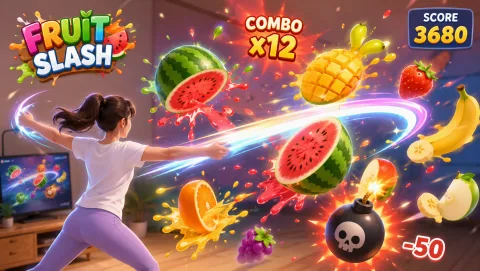
One participant steps up to a camera and plays on the venue screen while spectators watch. No personal phone is required.
B2B use changes the definition of a good game. Staff need a short instruction card covering setup, goal, safety, reset, and what to do when the technology fails. That is the difference between a demo and something a venue can actually operate.
Staff time and reset time are part of product quality in a live environment. Staff need a short instruction card covering setup, goal, safety, reset, and what to do when the technology fails. That is the difference between a demo and something a venue can actually operate.
QR prediction wall
Guests scan, vote, and see the live result on a shared display.
Public and commercial activities have to survive operational reality. The activity should still work after the original designer leaves and a different staff member takes over. That is the difference between a demo and something a venue can actually operate.
Digital wheel or random challenge
A browser kiosk chooses a prompt, prize, or task.
At a booth or venue, the game is only one part of the experience. The activity should still work after the original designer leaves and a different staff member takes over. That is the difference between a demo and something a venue can actually operate.
Photo-free gesture game:
If using camera interaction, explain how camera data is handled and avoid capturing or storing images unless that is a deliberate, consented feature.
Physical game with digital scoring:
Keep the actual activity offline and use a browser only for scores or leaderboard display.
Test venue connectivity
“No app” does not mean “no infrastructure.” Browser experiences still need reliable Wi-Fi, local networking, or an offline-capable fallback.
The best event technology removes participant friction without simply moving that complexity onto stressed booth staff.
A successful activity creates a queue, which means the queue has to be designed too. The activity should still work after the original designer leaves and a different staff member takes over. That is the difference between a demo and something a venue can actually operate.
Keep the social pressure lower than the benefit
Best fit: this is useful when people can join for a short reset, understand the invitation immediately, and leave without having to explain why they are sitting out.
Limit: it is a poor choice when participation is treated as a performance, the activity competes with a serious meeting, or colleagues have very different comfort levels with cameras and movement.
If you are choosing: If you are choosing between ideas, prefer a short optional round with a personal target over a public leaderboard. The goal is an easier break, not another workplace metric.