Employee movement challenges work better when they reward participation rather than exposing fitness differences. The goal is to make movement easier to join, not to identify the fittest person in the company.
A break between meetings only works if it respects the context around it. The finish should be as clear as the start so the group can return to work without losing another five minutes. That is what keeps a small intervention from becoming another obligation.
Movement minutes challenge
Track minutes spent walking, cycling, exercising, or playing active games. Let employees self-report rather than requiring a specific wearable.
In professional settings, low pressure usually beats high enthusiasm. The finish should be as clear as the start so the group can return to work without losing another five minutes. That is what keeps a small intervention from becoming another obligation.
Workplace movement should fit inside work rather than pretending the office has become a gym. Keep the instructions brief, the movement ordinary, and the option to sit out completely normal. If people come back more awake and not embarrassed, the activity did enough.
Break streak:
Count days when participants take at least one deliberate movement break during work.
Walk-and-talk week
Encourage eligible one-to-one meetings to become walking calls when practical.
For teams, a good energizer is deliberately modest. Keep the instructions brief, the movement ordinary, and the option to sit out completely normal. If people come back more awake and not embarrassed, the activity did enough.
Team score challenge:
Small teams combine activity minutes or completed movement tasks. A team format reduces emphasis on individual rankings.
Active game challenge
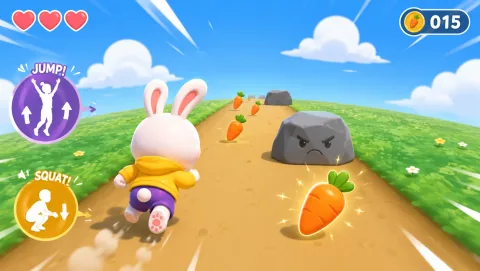
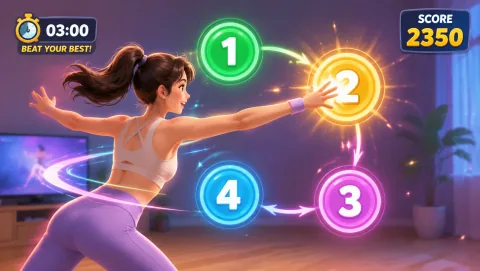
Use a common reaction, dance, or motion game and let people submit their best score. Keep participation optional and provide non-camera alternatives.
The social design matters as much as the movement itself. Keep the instructions brief, the movement ordinary, and the option to sit out completely normal. If people come back more awake and not embarrassed, the activity did enough.
Explore-your-city challenge:
Give points for visiting parks, walking routes, or local landmarks. This works well for distributed companies because each person participates locally.
Variety bingo:
Create a bingo card with options such as walk, stretch, active game, bike, stairs, outdoor lunch, or mobility session.
Meeting-break challenge:
Track how many long meetings include a two-minute break.
Design rules that reduce pressure:
Avoid weight-loss leaderboards, calorie competitions, public health disclosures, or mandatory wearable data.
Give employees multiple ways to participate and clear privacy expectations.
Reward consistency, creativity, and teams
Prizes can recognize streaks, team participation, best photo, or most creative movement—not only the highest activity total.
A workplace movement challenge should make the environment more supportive of activity. It should not turn personal fitness into a public performance metric.
A break between meetings only works if it respects the context around it. Keep the instructions brief, the movement ordinary, and the option to sit out completely normal. If people come back more awake and not embarrassed, the activity did enough.
Keep the social pressure lower than the benefit
Best fit: this is useful when people can join for a short reset, understand the invitation immediately, and leave without having to explain why they are sitting out.
Limit: it is a poor choice when participation is treated as a performance, the activity competes with a serious meeting, or colleagues have very different comfort levels with cameras and movement.
If you are choosing: If you are choosing between ideas, prefer a short optional round with a personal target over a public leaderboard. The goal is an easier break, not another workplace metric.