A summer camp backup plan should be ready before the rain, heat, smoke, or storm arrives. The worst time to design indoor programming is when several groups are already moving into one building.
Public and commercial activities have to survive operational reality. The activity should still work after the original designer leaves and a different staff member takes over. Designing the reset and fallback is part of designing the experience.
Prepare activity modules by group size
Have options for 8–12 campers, 20–30 campers, and large combined groups.
At a booth or venue, the game is only one part of the experience. The activity should still work after the original designer leaves and a different staff member takes over. Designing the reset and fallback is part of designing the experience.
A successful activity creates a queue, which means the queue has to be designed too. The activity should still work after the original designer leaves and a different staff member takes over. Designing the reset and fallback is part of designing the experience.
Use stations
Rotate crafts, puzzles, target games, trivia, building challenges, and movement activities so no single room needs to entertain everyone at once.
B2B use changes the definition of a good game. The activity should still work after the original designer leaves and a different staff member takes over. Designing the reset and fallback is part of designing the experience.
Staff time and reset time are part of product quality in a live environment. The activity should still work after the original designer leaves and a different staff member takes over. Designing the reset and fallback is part of designing the experience.
Convert outdoor themes indoors
Nature identification, camp songs, map skills, team challenges, and scavenger clues can move inside without becoming worksheets.
Public and commercial activities have to survive operational reality. Round length, reset steps, throughput, visibility from a distance, staffing, and a fallback plan can matter as much as the game mechanic. That is the difference between a demo and something a venue can actually operate.
Keep active choices:
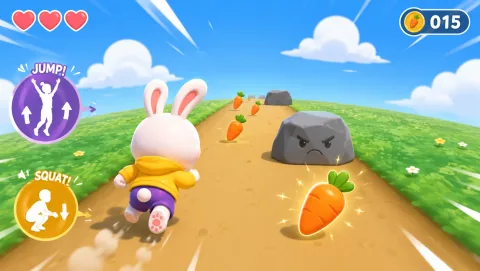
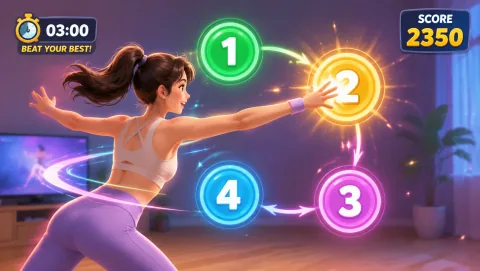
Use balloon games, quiet relays, movement commands, dance, or one-screen reaction games where space permits.
Plan low-noise options:
If several groups share one hall, every activity cannot involve shouting. Cards, drawing, construction, and collaborative puzzles protect staff sanity.
Store a backup kit:
Tape, paper, markers, soft balls, cards, reusable prompts, and printed instructions should live together.
Build a technology fallback
If digital stations are part of the plan, download or print non-digital alternatives in case Wi-Fi or device access fails.
A camp backup plan is an operations document, not a brainstorm list. Staff should know where to go, what to carry, and how long each module lasts.
At a booth or venue, the game is only one part of the experience. Round length, reset steps, throughput, visibility from a distance, staffing, and a fallback plan can matter as much as the game mechanic. That is the difference between a demo and something a venue can actually operate.
Make the activity work in the real timetable
Best fit: use this when the teacher can explain one visible rule, keep the first turn brief, and give students a clear way to watch, lead, or pause without being singled out.
Limit: it is a poor fit when setup takes longer than the learning goal, the room cannot be reset safely, or the scoring rewards speed over control. A lower-tech version may teach the same idea better.
If you are choosing: If you are choosing between formats, begin with the option that needs the fewest materials and the least movement across the room. Test one round before committing the whole class.