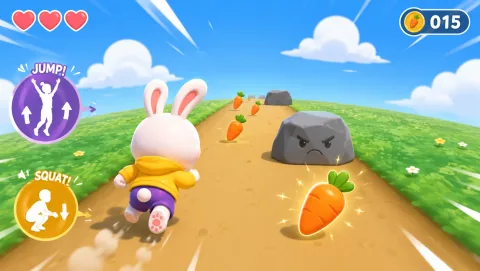
The first weeks of school ask students to relearn routines after a long break. Short movement activities can help with transitions, but they work best when they are simple enough to become part of the routine rather than a special event.
Seasonal planning often improves when the schedule is made smaller, not larger. Guests, mixed ages, bad weather, school excitement, or hours spent indoors all change what is realistic. Local weather, traditions, and school schedules should always win over a generic themed list.
Name-and-move circle
Each student says a name and adds one small movement. The group repeats both. Keep the movement optional and easy to copy.
The theme should support the activity rather than carry a weak one. Guests, mixed ages, bad weather, school excitement, or hours spent indoors all change what is realistic. Local weather, traditions, and school schedules should always win over a generic themed list.
Seasonal activities work when the occasion changes the advice, not merely the vocabulary. Keep rules quick, setup light, and at least one calmer option available for the point when energy drops. Local weather, traditions, and school schedules should always win over a generic themed list.
The calendar gives context, but it should not be doing all the creative work. Keep rules quick, setup light, and at least one calmer option available for the point when energy drops. Local weather, traditions, and school schedules should always win over a generic themed list.
Four-corner choices
Use four room corners for harmless preference questions: favorite season, reading spot, school subject, or recess game. Students move, choose, then return.
Holiday and weather content is most useful when it respects how the day actually feels. Keep rules quick, setup light, and at least one calmer option available for the point when energy drops. Local weather, traditions, and school schedules should always win over a generic themed list.
Desk-side reaction cues
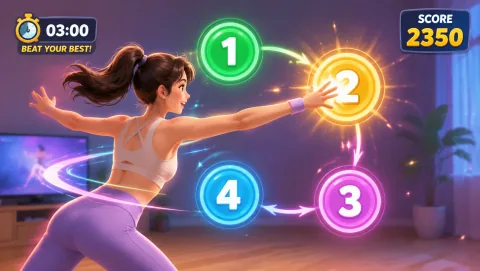
Assign movements to arrows, colors, or numbers and run a 60-second sequence beside desks.
Seasonal planning often improves when the schedule is made smaller, not larger. Keep rules quick, setup light, and at least one calmer option available for the point when energy drops. Local weather, traditions, and school schedules should always win over a generic themed list.
Classroom map walk:
For younger classes, call a location—library corner, pencil station, cubbies—and have students point or walk there calmly. It reinforces room routines through movement.
One-screen reaction round:
If the projector and camera are already tested, a short movement game can become a recurring start-of-day or transition activity. Keep the setup identical each time.
Build consistency before novelty
Use the same two or three movement breaks for the first week. Students learn how they start, what volume is expected, and how the activity ends.
Back-to-school movement works best when it supports classroom rhythm rather than competing with it.
The theme should support the activity rather than carry a weak one. Keep rules quick, setup light, and at least one calmer option available for the point when energy drops. Local weather, traditions, and school schedules should always win over a generic themed list.
Make the activity work in the real timetable
Best fit: use this when the teacher can explain one visible rule, keep the first turn brief, and give students a clear way to watch, lead, or pause without being singled out.
Limit: it is a poor fit when setup takes longer than the learning goal, the room cannot be reset safely, or the scoring rewards speed over control. A lower-tech version may teach the same idea better.
If you are choosing: If you are choosing between formats, begin with the option that needs the fewest materials and the least movement across the room. Test one round before committing the whole class.