Youth-center activities need to work with mixed attendance, different ages, varying confidence, and participants who may arrive without wanting to join a formal program.
The best options make entry easy and do not punish late arrival.
The most useful activity library is smaller than people think. A dozen tested formats with clear setup, duration, group size, and fallback can outperform a folder of fifty ideas nobody remembers how to run.
Drop-in competition
Use table tennis, target games, reaction challenges, cards, or short digital score games. Keep rounds short so people can join without committing to an hour.
The best activity notes anticipate the day when the original planner is not in the room. Keep the workflow stable and change prompts, themes, teams, or difficulty; that preserves freshness while allowing staff to improve the format over time. That is how a collection of ideas becomes a dependable program.
Add a duration range instead of one exact time. Real groups arrive late, finish early, and vary in energy.
Collaborative build
Create a cardboard arcade, mural, model, game design, or community display over several sessions. Participants can contribute in small pieces.
Record the fallback next to the main plan, not in a separate document nobody opens when the room changes.
Facilitators need activities that another person can run tomorrow. A strong plan can scale from seated or low-key participation to more active rounds without being rebuilt from scratch. That is how a collection of ideas becomes a dependable program.
Music and media projects
Make playlists, short videos, photo challenges, beat-making sessions, or editing projects with clear consent and privacy rules.
An activity library becomes valuable when it stores operational knowledge, not only ideas. A strong plan can scale from seated or low-key participation to more active rounds without being rebuilt from scratch. That is how a collection of ideas becomes a dependable program.
Movement stations
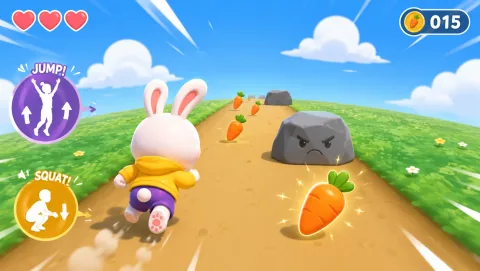
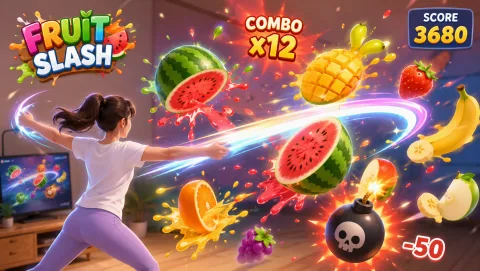
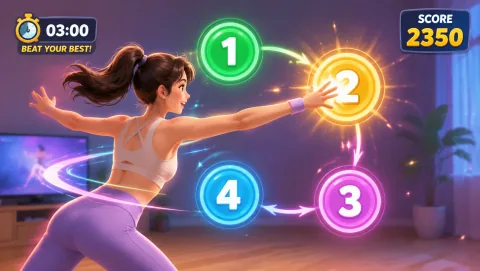
Use basketball shooting, dance, soft-target games, or webcam reaction activities depending on the room and equipment.
Repeatability is a feature for coordinators, not a sign that the program lacks creativity. A strong plan can scale from seated or low-key participation to more active rounds without being rebuilt from scratch. That is how a collection of ideas becomes a dependable program.
Tournament night:
Rotate between physical, digital, trivia, and tabletop rounds rather than letting one skill dominate the whole event.
Skill-share sessions:
Invite participants to teach a drawing trick, game, dance step, coding shortcut, recipe, or hobby.
Keep a quiet option
Not everyone wants to compete or perform. Reading, art, puzzles, and lounge space matter to inclusive programming.
A youth center benefits from formats people can return to and help shape, not a calendar filled only with one-off themed events.
A repeatable format is not boring if the theme, prompt, teams, and difficulty can change. Keep the workflow stable and vary the content; staff and participants both benefit.
Keep the social pressure lower than the benefit
Best fit: this is useful when people can join for a short reset, understand the invitation immediately, and leave without having to explain why they are sitting out.
Limit: it is a poor choice when participation is treated as a performance, the activity competes with a serious meeting, or colleagues have very different comfort levels with cameras and movement.
If you are choosing: If you are choosing between ideas, prefer a short optional round with a personal target over a public leaderboard. The goal is an easier break, not another workplace metric.